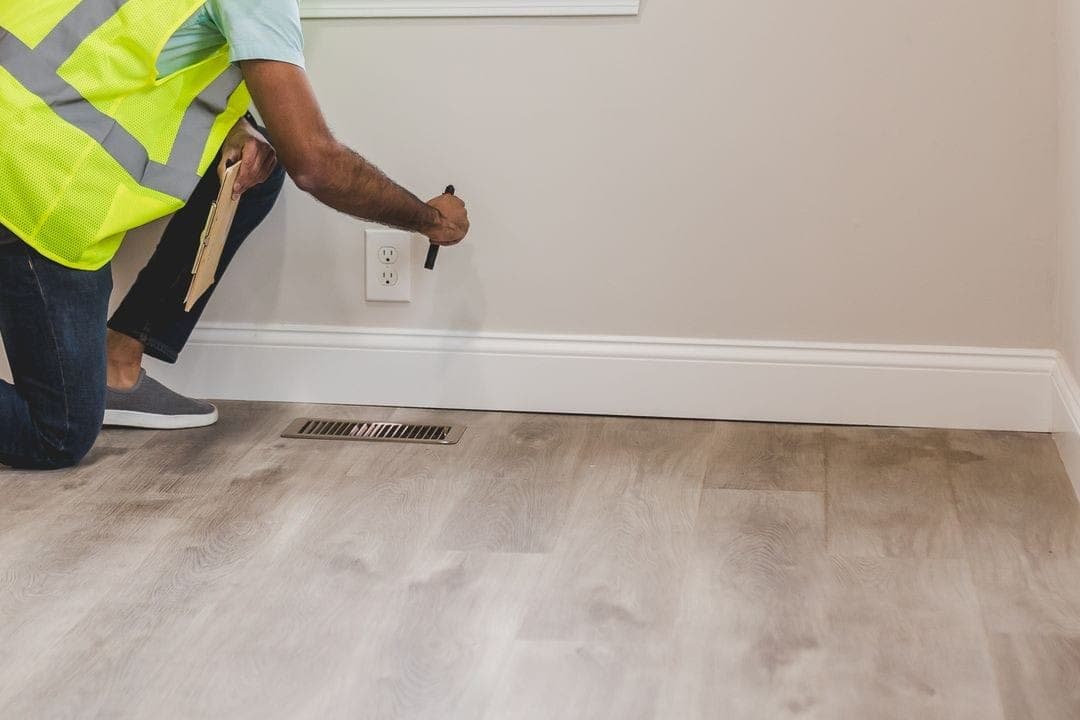
A home inspector's report often says "recommend evaluation by a licensed electrician" without providing further detail. This is standard practice, as a general home inspection only evaluates the electrical system in broad strokes. Because we specialize in installing and repairing these systems, our dedicated electrical safety inspection examines every component in detail: the main service entrance, the electrical panel, the structural wiring, the grounding system, and all safety devices.
Sellers frequently schedule an inspection before listing a property so they can repair or disclose electrical deficiencies before a buyer's inspector uncovers them. Conversely, buyers often request one during their due diligence period, particularly for properties constructed prior to the 1980s. Insurance companies and mortgage lenders also request these targeted evaluations to verify specific details, such as the panel manufacturer, the composition of the wiring, and the overall service amperage.
Our inspection priorities are guided by the era the house was built, as we look for outdated 60- or 100-amp services, hazardous Federal Pacific or Zinsco panels, unsafe aluminum branch wiring from the 1960s and 1970s, ungrounded two-prong circuits, and missing GFCI protection. While this professional evaluation provides a comprehensive safety analysis, it remains distinct from—and does not replace—the official inspection a city or county building department conducts for permitted construction work.
What This Covers
- Service entrance, meter base, main panel and grounding
- Panel brand, age, condition and breaker sizing
- Wiring type and condition in the attic and crawl space
- A sample of outlets, switches and fixtures
- Ground-fault (GFCI) and arc-fault (AFCI) protection
- Smoke and carbon monoxide alarm age and placement
- The electrical questions an insurer or lender has asked
Signs It’s Time to Call
- You're selling and don't want electrical surprises in the buyer's report
- You're buying a house built before 1980
- A home inspection report recommends evaluation by an electrician
- Your insurer has asked about the panel, the wiring or the service size
- An appraiser or lender has flagged an electrical item
The Process
Who It's For
The questions the visit has to answer depend on who it's for: a seller, a buyer, an insurer or a lender. Have any report, form or letter you were given on hand.
Start at the Service and the Panel
The visit begins where power enters the house, at the service, the meter base and the grounding. With the panel cover off, we check the breakers, connections and wire sizes for signs of heat or moisture.
Room by Room
Outlets, switches, fixtures and safety devices get sampled and tested, and the attic and crawl space get a look wherever there's safe access.
Sort the Findings
What we found is sorted into what's urgent, what's worth doing and what's fine as it is, and we go through it with you.
Common Questions
My insurance company is asking about my electrical system. What do they want?
Usually a few facts about an older house: the brand and age of the panel, whether the wiring is copper, aluminum or knob-and-tube, and the size of the service in amps. Some insurers use a form of their own, sometimes as part of a four-point inspection, which covers the roof, plumbing, heating and cooling, and electrical systems. Requirements differ from one company to the next, so ask yours what it needs and in what form.
What does a lender or appraiser look for?
Some loan programs set property standards of their own. On an FHA loan, for example, the appraiser has to note obvious defects such as exposed or frayed wiring. When something gets flagged, the lender can require it to be repaired or evaluated by an electrician before closing. Pass on the appraiser's wording, so the visit answers the item as it was written.
Is there a pass or fail?
No. The visit sorts real hazards, and work that was never compliant, such as unpermitted additions, from things that are just old. A scorched breaker and an ungrounded two-prong outlet can both be on the list, at very different levels of urgency.
Will the inspection find every problem?
No inspection that leaves the walls closed can promise that. A visual inspection checks what can be seen and tested in place: the service and the panel, wiring that's exposed in an attic or crawl space with safe access, and outlets, switches and fixtures. A connection hidden inside a finished wall can't be checked that way.