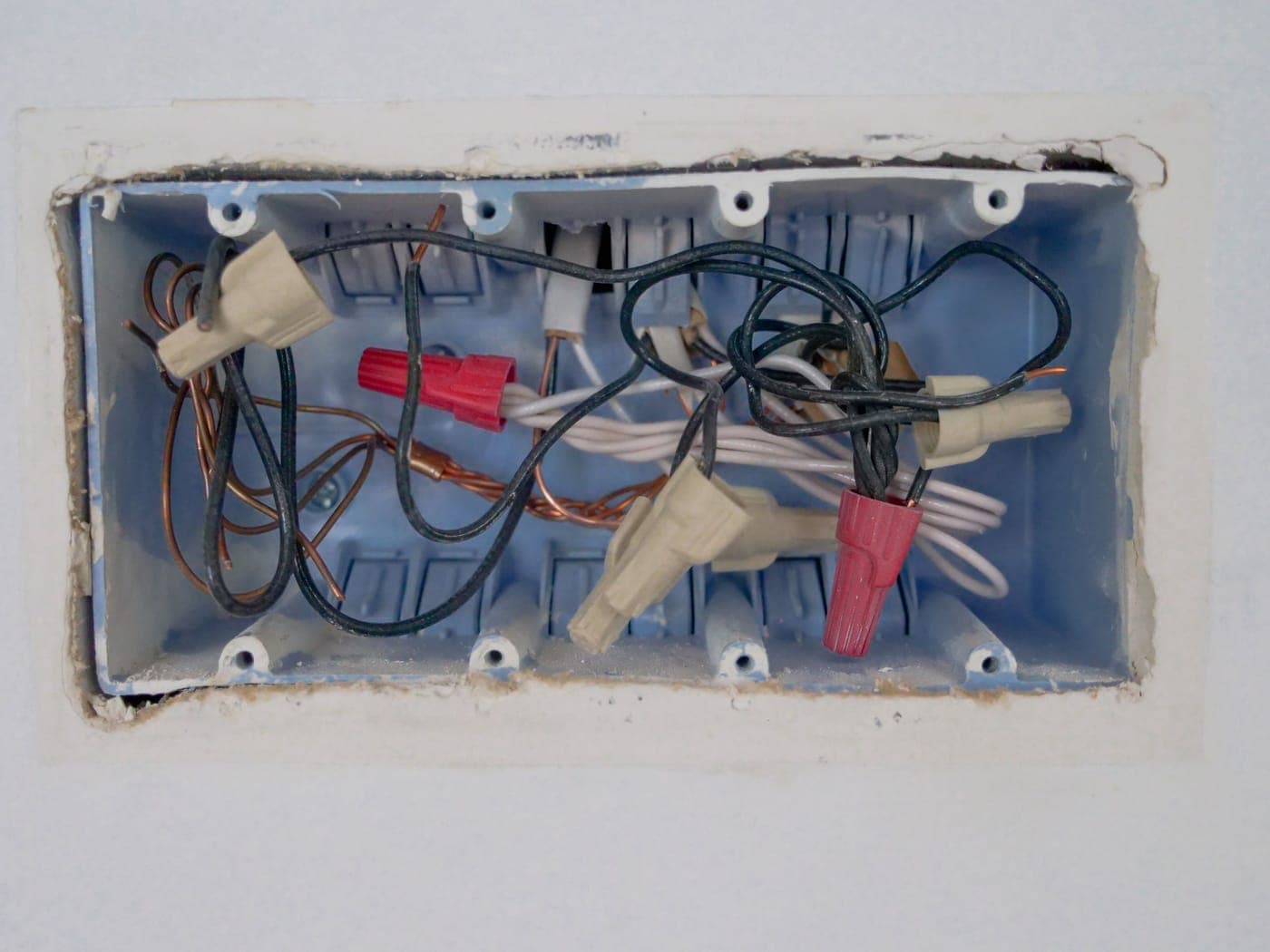
A copper shortage in the mid-1960s pushed builders toward using aluminum for standard 15- and 20-amp household circuits. If your home was built between 1965 and the mid-1970s, there is a strong chance it contains aluminum branch wiring. The danger occurs where the aluminum wire connects to an outlet, switch, light fixture, or splice. Over time, these connection joints naturally deteriorate, causing electrical resistance to spike and the wires to run dangerously hot. In fact, a landmark survey conducted for the U.S. Consumer Product Safety Commission (CPSC) found that homes wired with aluminum during this era were 55 times more likely to have an outlet connection reach fire hazard conditions compared to homes wired with copper.
According to the CPSC, failing aluminum connections rarely give an easy warning, making a professional safety check critical for homes or additions built during these years—even if everything currently seems to function fine. The agency recognizes only a few permanent, code-compliant methods to remediate this hazard. The most definitive solution is completely rewiring the home with new copper circuits. Alternatively, the code allows for professional pigtailing at every single junction box. This involves safely joining a short piece of copper wire to the end of the aluminum line using specialized, CPSC-approved connectors, ensuring your switches, outlets, and fixtures connect only to safe, reliable copper.
What This Covers
- Confirming whether the branch wiring is aluminum, copper-clad or copper
- Copper pigtails at outlets, switches, fixtures and splices
- Replacing aluminum circuits with new copper cable
- CO/ALR outlets and switches as a stopgap where aluminum connects directly
- Repairs to overheated or scorched connections
- Connections at hardwired appliances and junction boxes
Signs It’s Time to Call
- Cable in the attic, basement or garage is marked Al or Aluminum
- A house or addition built between 1965 and the mid-1970s
- Outlet or switch plates that feel warm to the touch
- A smell of hot plastic near an outlet or switch
- Lights that flicker when the bulb isn't the cause
- A home inspector or insurer has asked whether the wiring is aluminum
The Process
Identify the Wire Type
I examine the manufacturer markings on the cable jackets and inspect the raw conductors at a sample of switches and outlets. This allows me to verify whether your branch circuits are made of dangerous solid aluminum, copper-clad aluminum, or standard copper, and map out exactly which areas of your home are affected.
Inspect for Heat Damage
I open up your wall boxes and accessible junction splices to look for hidden structural hazards. I specifically search for signs of overheating, loose screw terminals, and older devices that were never safety-rated for aluminum connections. Any immediately dangerous or overheating joints are prioritized and resolved first.
Select Your Remediation Method
We will review your options together, discussing exactly what each repair method involves for your specific home layout, along with what each solution covers. From there, you choose the definitive repair path—whether a full copper rewire or comprehensive pigtailing—that fits your goals and budget.
Remediate Every Single Connection
A proper pigtail repair must reach every single aluminum joint in the house. I work meticulously room by room, updating all hardwired appliances, light fixtures, and hidden junction boxes alongside your standard outlets and switches. Finally, I thoroughly test each circuit to ensure it is safe before restoring your power.
Common Questions
How do I know if my house has aluminum wiring?
You can check by examining any exposed electrical cables running through your attic, basement, or garage. Aluminum branch cabling is stamped with the letters "AL" or "Aluminum" on the outer plastic jacket every few feet. Houses built before 1965 rarely contain it. If the jacket marking reads "copper-clad," the wire is actually aluminum coated in a thin layer of copper—a distinct material that does not fall under the standard CPSC fire-hazard repair guidelines.
It is important not to confuse the smaller branch wiring with the heavy, thick aluminum cables used to feed your main circuit panel, electric range, or clothes dryer. Those heavy-duty service cables are perfectly safe, normal, and still standard practice in modern construction today. The fire safety concern is strictly limited to the smaller wiring feeding your ordinary 15- and 20-amp wall outlets and light switches. There is no need to remove your wall plates yourself; if the exposed cable markings do not give you a clear answer, contact me and I can safely test the wires directly at your devices.
Which aluminum wiring repairs does the CPSC consider permanent?
The U.S. Consumer Product Safety Commission (CPSC) recognizes three permanent repair methods, explicitly ranking a complete copper rewire as the gold standard. However, because replacing every wire inside finished walls can be impractical, they approve two highly specialized pigtailing methods.
The second approved method is the COPALUM crimp connector, a specialized cold-weld system that can only legally be installed by electricians certified and trained directly by the manufacturer. The third permanent method is the AlumiConn connector, a heavy-duty setscrew terminal block that the CPSC formally accepts as the primary alternative to COPALUM.
Whichever path you choose, the CPSC strictly emphasizes that a partial fix is not enough: a permanent repair must reach every single aluminum connection in the house, including those hidden inside light fixtures, junction boxes, and hardwired appliances.
Can I just swap my outlets to "CO/ALR" types or use regular twist-on wire nuts?
No, the Consumer Product Safety Commission (CPSC) does not accept either option as a permanent or safe fix.
While "CO/ALR" outlets and switches are specifically manufactured to connect directly to aluminum wires, they failed the CPSC’s safety tests when matched with the specific type of aluminum wiring found in older homes. Furthermore, you cannot buy CO/ALR versions for everything in your house—they do not exist for ceiling lights, smoke detectors, or hardwired appliances. Because of this, switching to these outlets is considered an incomplete band-aid, not a cure.
Similarly, twist-on wire nuts are a popular DIY recommendation because they are cheap, but they are incredibly dangerous when used on aluminum branch circuits. In official safety tests, a significant number of wire nut connections overheated severely. The CPSC only allows wire nuts or CO/ALR devices to be used as a temporary, emergency patch for a broken outlet until a licensed electrician can step in to perform a true, permanent repair.