System grounding and bonding are two distinct, essential safety measures that protect your home from electrical faults and lightning strikes. Grounding connects your electrical system directly to the earth using a heavy-gauge wire attached to copper ground rods, a metal water pipe, or both. This physical path gives high-voltage surges a safe place to go and keeps your entire system at a steady, controlled voltage. Bonding, on the other hand, ties all the metal structures in your home together—including your water lines, gas pipes, and the breaker panel box itself—and loops them back to the main electrical panel. If a live wire accidentally touches a bonded metal pipe, the current instantly surges back to the panel and safely trips the breaker, rather than electrifying your plumbing.
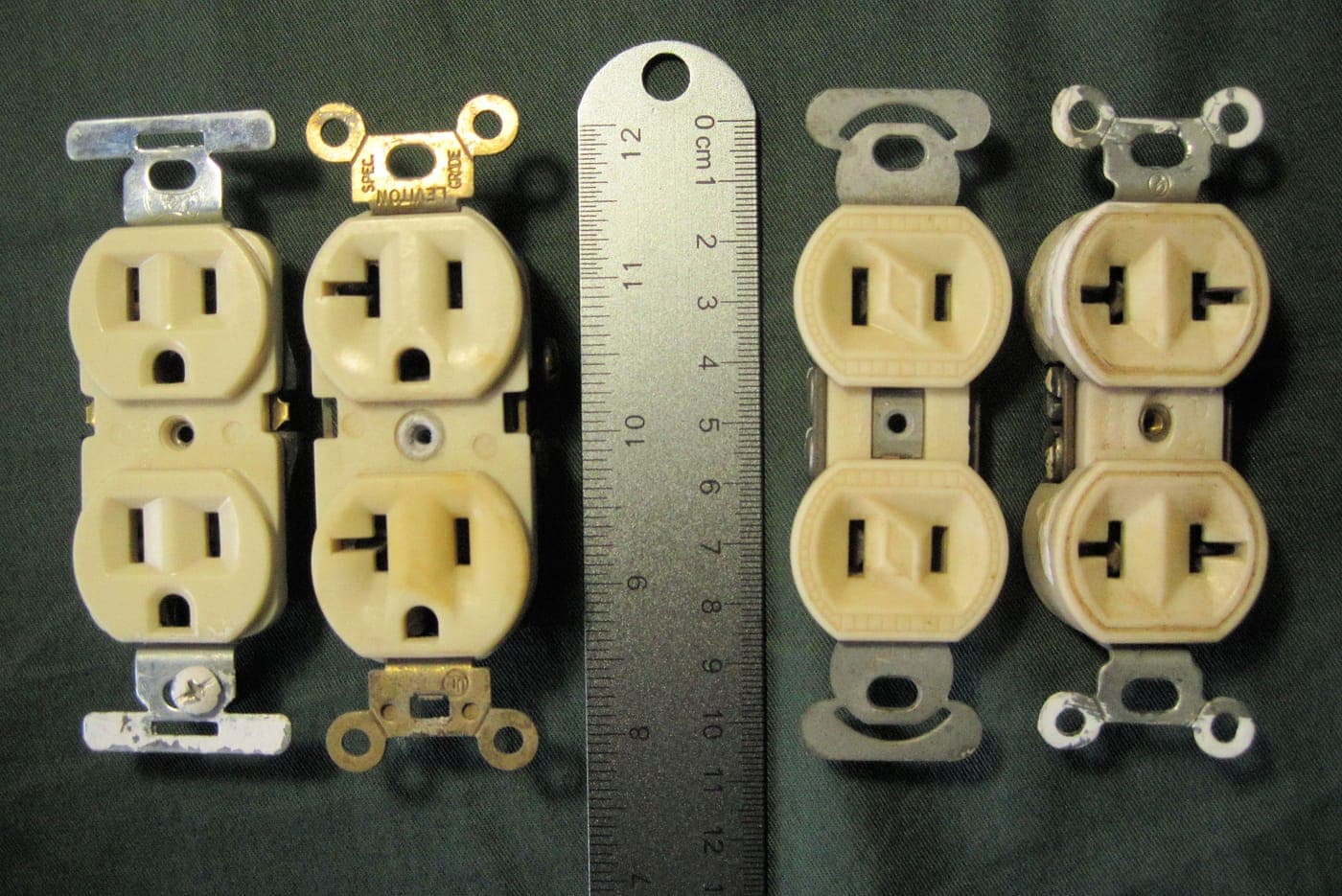
Older homes are frequently grounded only to a single metal water pipe. Under modern electrical codes, that water pipe must be backed up by a second grounding electrode, such as a dedicated exterior ground rod. Additionally, if your home features yellow flexible gas piping (known as CSST), it requires its own specific bonding connection to eliminate fire hazards from nearby lightning strikes. Keep in mind that installing a new ground rod outside will not fix your interior two-prong outlets; those receptacles require a physical ground wire running all the way back to the panel, as the earth itself is far too poor a conductor to act as a safety path.
Because most of this critical work takes place directly at the electrical panel, the exterior meter box, and the main incoming water or gas supply lines, it is usually completed during a panel upgrade or right after a plumber modifies your piping. If you live in an older home or have recently upgraded your plumbing, let me inspect your grounding and bonding system to ensure your family stays fully protected.
What This Covers
- Ground rods and the conductor back to the panel
- A second rod where one isn't enough
- Bonding for metal water piping
- Jumpers around water meters and filters
- Bonding for gas piping, including yellow CSST
- New clamps where the old ones are corroded, loose or missing
- New electrodes after a water line is replaced with plastic
- Grounding and bonding checks during a panel or service upgrade
Signs It’s Time to Call
- A home inspection report mentions grounding or bonding
- The ground wire at the water pipe or the rod is loose, cut or missing
- The water service line has been replaced with plastic pipe
- Yellow flexible gas line with no bonding wire on the gas piping
- A tingle from a faucet, pipe or appliance, which you should treat as urgent
- A panel or service upgrade is coming up
The Process
Trace the Ground Wire
I follow your grounding conductor all the way from the panel to your water pipes, exterior ground rods, and gas lines. I meticulously check every single clamp and connection along the path to tighten loose parts and scrub away any corrosion.
Compare It With Current Code
I evaluate your home's existing grounding system against modern safety standards. In most older properties, the system is partially complete and simply needs one or two modern upgrades added to achieve full compliance.
Drive the Rods
I carefully choose safe locations, drive eight-foot copper ground rods fully into the soil, run the heavy conductors, and secure the clamps. Because these rods are long, I plan their placement around buried utility lines. Please let me know ahead of time if you know the exact layout of any underground irrigation pipes or invisible dog fences!
Leave the Clamps in Reach
I tighten every connection and verify its continuity to guarantee a solid path to the earth. I install all bonding clamps in positions where they remain fully accessible and visible for future safety inspections.
Common Questions
Why would a house need a second ground rod?
Under the electrical code, a single ground rod is only acceptable if a specialized test proves it has 25 ohms or less of electrical resistance to the earth. Because soil conditions vary and conducting that specific test on every job is impractical, installing two ground rods has become the standard industry norm to guarantee a safe, reliable path to the ground. To ensure maximum efficiency, the second rod must be driven into the earth at least six feet away from the first one.
Does my gas line need to be bonded?
Any metal gas piping that could accidentally become energized by an electrical fault must be properly bonded back to your main electrical panel. For standard black steel gas pipes, this bonding usually occurs automatically through the equipment grounding wire connected to a major gas appliance, such as your furnace or water heater.
However, yellow corrugated stainless steel tubing (CSST) requires an extra, heavy-duty layer of protection. Because this flexible tubing has thin walls, a nearby lightning strike can easily induce a massive electrical charge on it, causing electricity to arc through the metal and punch holes straight through the gas line. To prevent this severe fire hazard, the fuel gas code mandates a direct bonding jumper made of heavy copper wire (at least 6 AWG) clamped firmly to a rigid pipe fitting before the flexible tubing begins. Note: Newer flexible gas piping with an engineered black arc-resistant jacket is specifically designed to eliminate the need for this extra external bonding wire.
While your gas piping must always be bonded safely to the electrical system's ground, it is strictly forbidden to use a gas line as an actual grounding electrode to ground your house. If your home has flexible yellow gas lines running through the basement or attic, let me verify that they are safely and correctly bonded to modern code standards.
My water line was replaced with plastic. Does that matter?
Yes, it matters significantly if that metal pipe was acting as your house's main grounding electrode—which was the standard setup for decades. The moment your exterior water line is replaced with plastic, your electrical system's physical connection to the earth is completely severed, even if the original grounding clamp and wire are still sitting on the metal pipe inside your basement or crawl space.
To restore your home's safety, I will need to install a new grounding electrode system, which normally means driving two modern exterior ground rods into the earth. At the same time, any remaining metal water piping inside your home must still be safely bonded back to your main electrical panel so that an accidental electrical fault cannot electrify your plumbing.