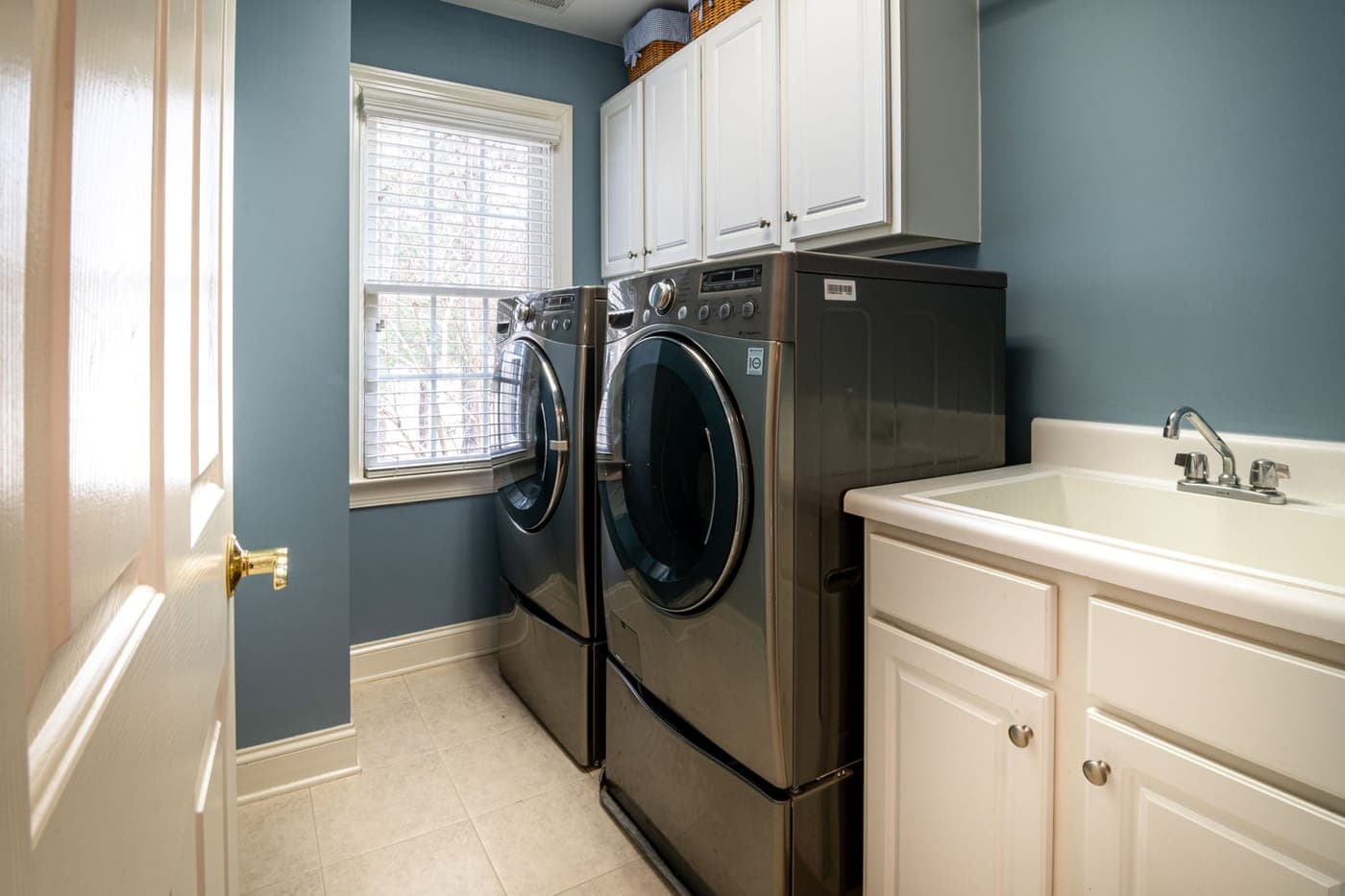
The installation manual for a freezer, hot tub, or other major appliance will often specify a dedicated circuit—meaning a separate breaker and cable engineered solely for that machine. Large, motor-driven appliances draw significant power. If they share a circuit with other household items, you will likely experience constantly tripped breakers, dimming lights, and hidden, overheated wiring over time.
In many older homes, the kitchen refrigerator shares a line with standard countertop outlets, or a garage freezer gets plugged into the nearest wall socket. While this might work temporarily, the circuit will inevitably trip when multiple devices start up at the exact same moment. A tripped breaker in a garage can easily go unnoticed, leading to a freezer full of spoiled food.
Different appliances also demand different voltage levels. A refrigerator or washing machine runs on a standard 120-volt circuit. However, an electric dryer, a full-size hot tub, or a traditional electric sauna heater requires a much larger, heavy-duty 240-volt circuit. While smaller plug-in tubs and infrared saunas can run on standard 120-volt lines, they still must be plugged into a dedicated outlet that serves nothing else to ensure safe operation.
What This Covers
- Refrigerator circuits
- Circuits for freezers and garage refrigerators
- Washing machine and laundry circuits
- 240-volt circuits for electric dryers
- Hot tub and spa circuits
- Sauna heater circuits
- Circuits for other heavy loads, like a microwave or a window air conditioner
- A panel capacity check before the circuit is added
Signs It’s Time to Call
- A breaker trips when one particular appliance starts
- Lights dim when the washer, freezer or compressor kicks on
- A refrigerator or freezer running from an extension cord or power strip
- A second refrigerator or a freezer is going into the garage
- A hot tub or a sauna is on order
The Process
Get the Model Number
Your appliance's nameplate or installation manual provides the exact voltage, required breaker size, and connection type. Please have this model number handy when you contact me so I can prepare the correct materials.
Find Room in the Panel
I will verify that your current electrical service can safely handle the additional power draw and check your breaker box for an open slot. If your panel is completely full, we will discuss your options, which might include adding a subpanel.
Route From the Panel to the Appliance
I pull the correctly sized cable from your main electrical panel directly to your appliance's location—usually routing it cleanly through your attic or crawl space. The run terminates at a new outlet, a dedicated disconnect switch, or a direct hardwired connection.
Power It Up
I thoroughly test the voltage, polarity, and grounding for safety, permanently label the new breaker at your panel, and perform a live trial run of your appliance to ensure everything functions flawlessly.
Common Questions
Which appliances need a dedicated circuit?
As a rule, anything fixed in place with a motor or a heating element: dryers, water heaters, dishwashers, disposals, built-in microwaves, furnaces, air conditioners, hot tubs and saunas. The code also calls for a 20-amp circuit that serves the laundry outlets and nothing else. A refrigerator is allowed to share the kitchen outlet circuits, though with a circuit to itself it keeps running when something else trips a breaker, and the same goes for a freezer.
The manufacturer's installation instructions are the final word, and the code requires that they be followed.
Should a garage freezer be on a GFCI outlet?
Under current code, yes. The 2023 National Electrical Code with Georgia amendments, Georgia's statewide minimum, requires GFCI (ground-fault circuit interrupter) protection for outlets in garages and basements and makes no exception for a freezer or a second refrigerator. Older garages often have unprotected outlets that were legal when they went in.
People worry about a GFCI tripping and thawing the freezer. A sound appliance on its own circuit shouldn't trip one, and a GFCI that does trip is usually reporting a real fault. A temperature alarm in the freezer is a good backup.