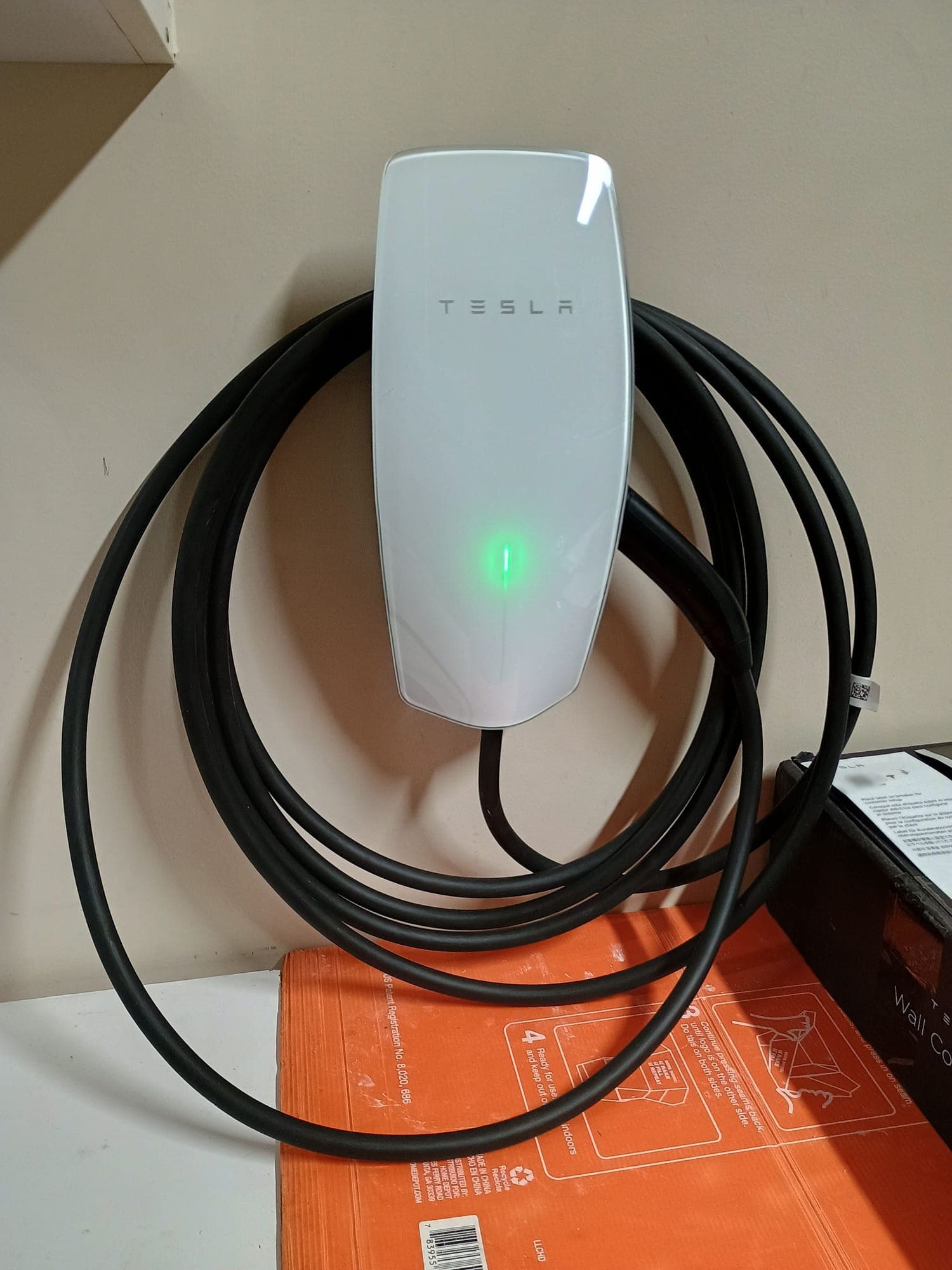
A new electric vehicle (EV) can charge from a standard household outlet, but the process is very slow. A Level 2 charger operates on a 240-volt circuit—the same type used by an electric range or dryer—and charges the vehicle several times faster than a standard wall plug. Consequently, the vast majority of the work involved in an EV charger installation centers on running the heavy-duty circuit behind it.
Because EV charging is classified as a continuous electrical load, the National Electrical Code requires the dedicated circuit to be rated for 125 percent of the charger's maximum power draw. This means a 32-amp charger requires a 40-amp circuit, a 40-amp charger requires a 50-amp circuit, and a high-speed 48-amp charger demands a 60-amp circuit.
Your main electrical panel must have both the physical space and the load capacity to support this new circuit. A home equipped with a 200-amp service and gas appliances usually has plenty of capacity. However, a home with a 100-amp service may be limited; in these cases, your options include configuring a lower charging rate, installing a smart load-management device that automatically pauses charging when home power demand spikes, or upgrading your electrical service. When requesting an estimate, please specify your chosen charger model and where your vehicle will park.
What This Covers
- Hardwired Level 2 chargers in garages and carports
- 240-volt receptacles for plug-in chargers
- Outdoor and driveway chargers with weatherproof wiring
- Dedicated 40-, 50- and 60-amp circuits sized to the charger
- Panel capacity checks and load calculations
- Load management when the panel is near its limit
- Moving or replacing an existing charger
Signs It’s Time to Call
- Charging from a standard outlet can't keep up with your driving
- An EV or plug-in hybrid is on order
- An extension cord is part of the charging setup
- The charging outlet or plug gets warm
The Process
Measure the Run to the Parking Spot
We evaluate your main service size, the available space inside the electrical panel, and the total distance to your vehicle's parking location. A formal load calculation determines the maximum circuit size your home can safely support.
Decide Where It Mounts
You select between a hardwired installation or a plug-in receptacle, choose the precise mounting location for the charger, and determine a charging rate that is compatible with both your vehicle and your electrical panel.
Wire the Circuit and Set the Amps
A dedicated circuit is routed directly from the panel to the charger location—utilizing protective conduit anywhere the wiring is exposed or outdoors—and the charger's internal settings are calibrated to the correct amperage.
Start a Charging Session
With your vehicle plugged in, we initiate a charging session to verify that the unit starts smoothly and delivers its full programmed power rate. Installing a new 240-volt circuit generally requires a municipal permit, and your local building department determines the final inspection criteria.
Common Questions
Should the charger be hardwired or plugged in?
A hardwired charger connects directly to your home's electrical wiring, leaving fewer individual components to wear out over time. This configuration performs exceptionally well in outdoor environments and is the standard installation method required for high-speed 48-amp chargers. Conversely, a plug-in charger connects to a dedicated 240-volt receptacle, making it simple to swap out the hardware or take it with you if you relocate.
Under the current electrical code, any wall receptacle installed for electric vehicle charging requires GFCI (ground-fault circuit interrupter) protection. Because many Level 2 chargers already feature their own internal ground-fault detection systems, pairing them with a GFCI breaker can cause the two safety mechanisms to conflict and repeatedly trip each other—which serves as a major reason to choose a hardwired installation instead.
Are there rebates for home EV chargers in the Atlanta area?
Some utilities have them, and the programs change. Georgia Power offers a Residential Level 2 EV Charger Rebate of $150 per qualifying unit (up to two per account) for a wall- or pedestal-mounted charger on a dedicated circuit, and an Overnight Advantage rate plan for cheaper nighttime charging. Cobb EMC provides an EV Charger Incentive of $250 for members who install an ENERGY STAR certified Level 2 charger and enroll in their Energy Network, paired with a NiteFlex rate plan for discounted overnight charging. GreyStone Power offers a $250 rebate for a UL safety-rated Level 2 charger that must be hardwired and mounted, with submissions required within 90 days of installation. Marietta Power's published FAQ states that it does not offer an EV charger rebate.
Each program has its own eligibility rules, paperwork, and deadlines, so check with the utility on your bill and read its current terms before you buy a charger.
Can a charger be installed at a townhome, condo or apartment?
A townhome with its own meter and garage is much like a house. A condo or apartment building takes extra steps, because the panel may be a long way from the parking space, the garage is usually common property, and the association or the building's owner has to approve the work.