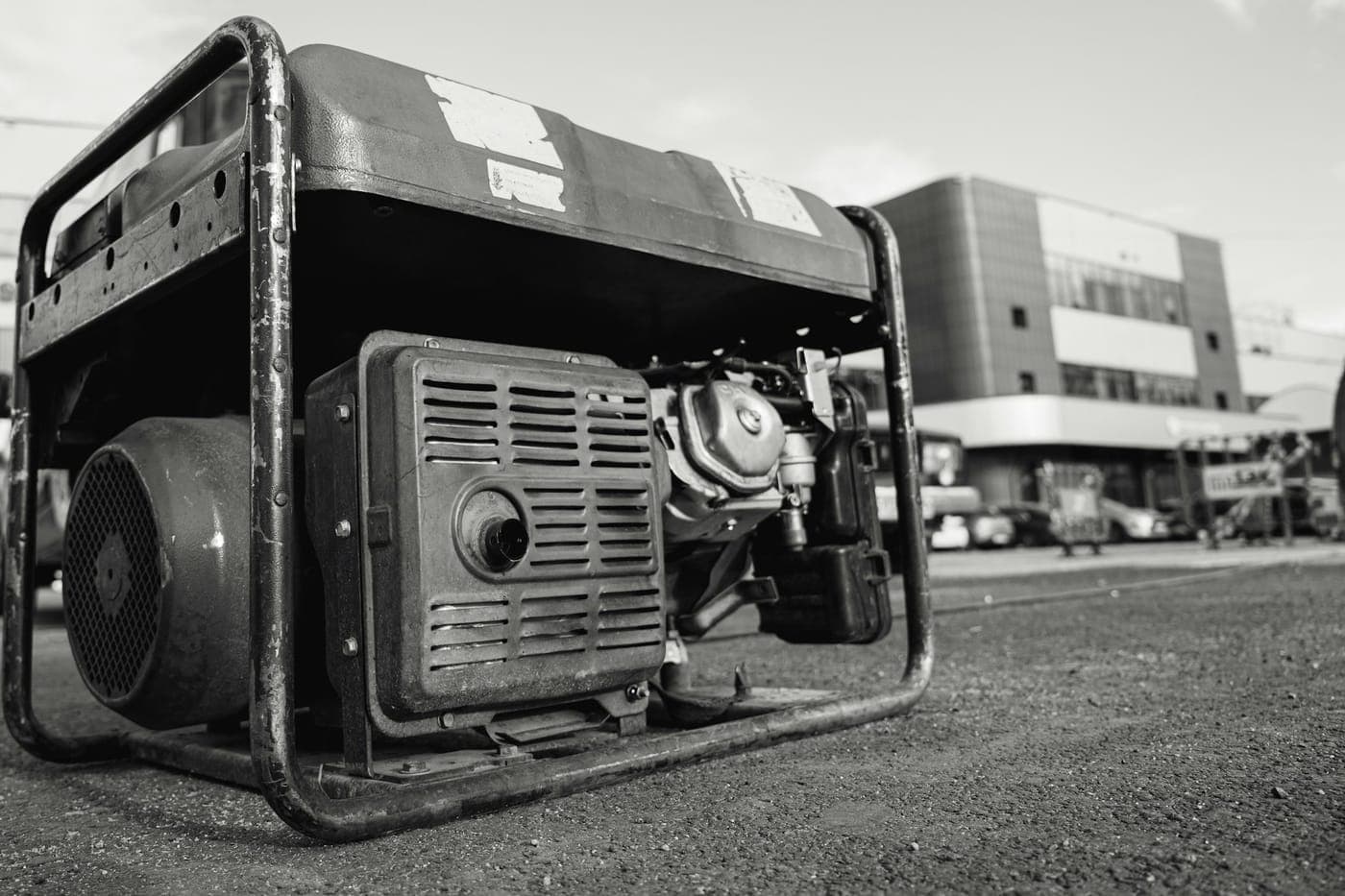
The choice for a portable generator is between an interlock kit installed directly on your main panel and a manual transfer switch mounted beside it, with either option fed from a weatherproof inlet box on an exterior wall. An interlock uses a sliding metal plate that physically prevents the main breaker and the generator breaker from being turned on at the same time. A manual transfer switch accomplishes the same thing inside a separate box that switches an isolated group of selected circuits.
Both systems are required to prevent backfeed, a dangerous condition where generator power flows backward through your electric meter and out onto the utility lines. Backfeed can electrocute utility workers or neighbors, and it will instantly destroy your generator when grid power is restored. While running extension cords through a window works for a few small items, powering anything wired directly into the house requires equipment specifically engineered for the job.
An interlock is acceptable only if it is a certified kit explicitly listed for your specific panel model. Certain older or discontinued panels lack an approved kit, leaving a manual transfer switch or a panel replacement as your only legal options. When requesting an estimate, please provide your generator's wattage and its outlet type, as these specifications dictate the necessary size of the exterior inlet and wiring.
What This Covers
- Interlock kits listed for your panel
- Manual transfer switches for selected circuits
- Weatherproof power inlet boxes
- Generator breakers and wiring sized to the unit
- Working out which circuits your generator can carry
- Removing unsafe generator connections
Signs It’s Time to Call
- Extension cords come through a door or window whenever the power goes out
- A generator has been connected with a double-ended cord
- You've bought a generator and have no way to connect it
- The furnace blower or well pump needs to keep running in an outage
The Process
Read the Generator's Output
We evaluate your generator's wattage and outlet type, inspect your main electrical panel, and identify the specific circuits you prioritize keeping active. Any appliance that operates on 240 volts, such as a well pump, requires a generator capable of a 240-volt output.
Place the Inlet Box
The weatherproof inlet box is installed on an exterior wall near the designated location where you plan to operate the generator during an outage, taking into account the reach of your generator's power cord.
Fit the Interlock or Transfer Switch
An interlock plate is fitted directly onto your panel alongside a new generator back-feed breaker and the required safety retention bracket. Alternatively, a manual transfer switch is mounted beside the panel, and your selected circuits are rerouted into it.
Practice the Changeover
Once the panel is clearly labeled, we guide you through the manual changeover sequence until you feel completely confident with the process. This modification generally requires a municipal permit and must undergo a standard electrical inspection.
Common Questions
Can I plug my generator into a dryer outlet to power the house?
No. Doing so creates a dangerous situation known as backfeeding. If your main breaker remains on, the generator's power travels backward through your electric meter and into the utility transformer outside, which steps the voltage up to lethal line levels and severely endangers utility workers and your neighbors. Furthermore, the specialized double-male cord required to execute this shortcut features live, exposed metal prongs on one end, prompting the Consumer Product Safety Commission to issue urgent warnings against using them.
The electrical code strictly requires a certified interlock kit or a dedicated transfer switch to ensure a safe connection. Utility companies mandate these same precautions, and Georgia Power's official service regulations require every customer's generator to remain completely isolated from its main grid lines.
Should I choose an interlock kit or a manual transfer switch?
An interlock kit is the simpler, more flexible option provided an approved, listed kit is available for your specific electrical panel. By turning off the main breaker and sliding the interlock plate to turn on the generator breaker, you can manually choose which circuits to power by flipping standard breakers, limited only by your generator's total capacity. Conversely, a manual transfer switch controls a pre-selected, fixed group of circuits, each with its own individual toggle switch. This setup is ideal for older or discontinued panels that lack a certified interlock kit, or for households that prefer to have their emergency power options locked in ahead of time.
An automatic transfer switch (ATS) is a completely different system. It is designed specifically for permanently installed standby generators and manages the entire power changeover process automatically without any manual intervention.
Where should a portable generator sit when it is running?
Outdoors, at least 20 feet away from your house, with the engine exhaust pointed completely away from doors, windows, and vents, in accordance with the Consumer Product Safety Commission's strict safety guidelines. You must never operate a generator inside a garage, carport, basement, crawl space, or shed, even if the doors or windows are left wide open. Carbon monoxide poisoning from portable generators causes fatalities every year, making it essential that your home is also equipped with functioning, up-to-date CO alarms.